
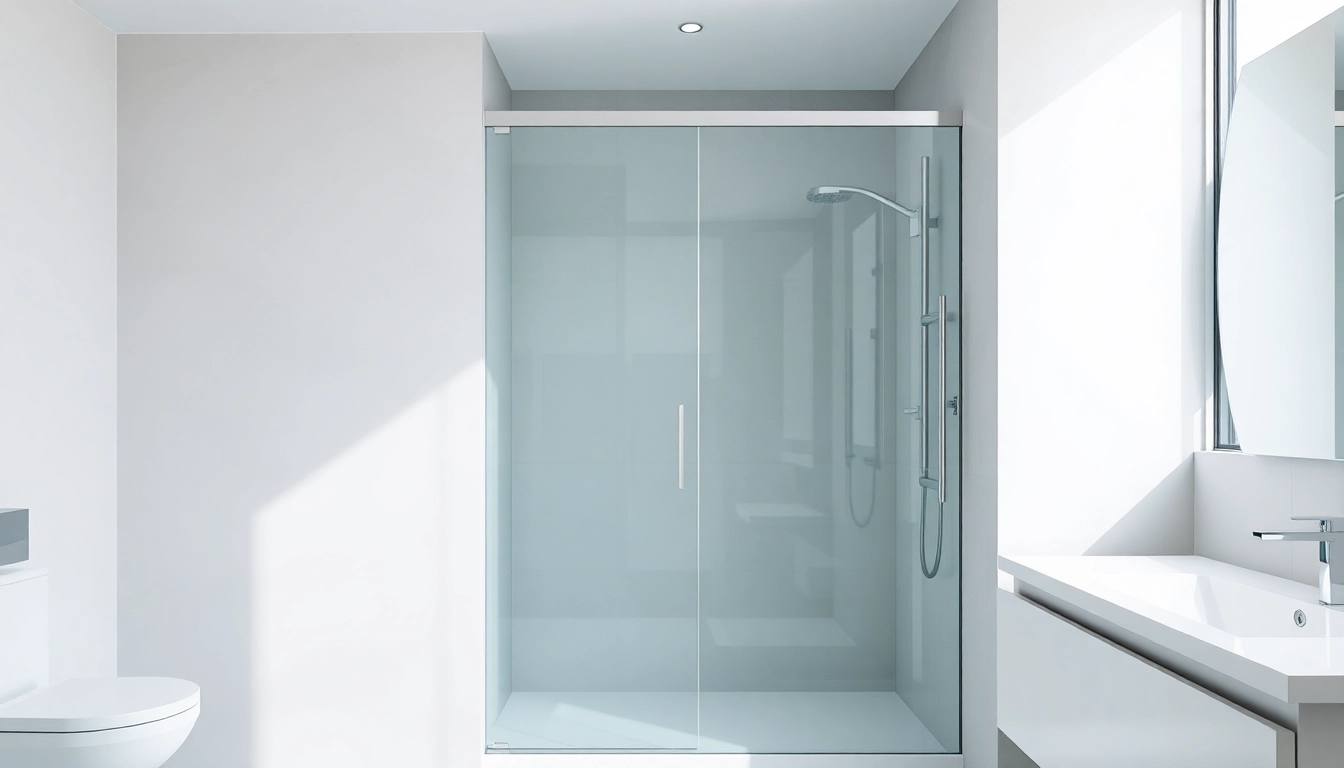
Benefits of a Shower Screen Sliding Door
Space Optimization
In modern bathrooms, every square inch counts, and utilizing space efficiently is paramount. One of the most significant advantages of a shower screen sliding door is its space-saving design. Unlike traditional hinged doors that require ample clearance to swing open, sliding doors glide along a track. This feature allows you to maximize the usable space in your bathroom, making it ideal for smaller areas where floor space is limited. When you install a shower screen sliding door, you can seamlessly fit it next to other fixtures without the worry of obstructing movement. This design also helps create a more open atmosphere, making the bathroom feel less confined.
Ease of Access
Shower screen sliding doors offer unparalleled ease of access compared to standard bathroom doors or even bi-fold doors. With their smooth sliding mechanism, entering and exiting the shower area is straightforward, especially for individuals with mobility challenges, such as the elderly or those recovering from surgeries. The motion requires minimal effort—an advantage for those with limited grip strength or flexibility. Moreover, this access is also important for parents assisting children, ensuring safety and convenience during bath time. The smooth operation ensures that users experience minimal resistance while entering or exiting, enhancing their overall shower experience.
Visual Appeal
Aesthetics play a crucial role in home design, and shower screen sliding doors elevate the visual appeal of a bathroom significantly. Available in various styles, including framed and frameless options, these doors can suit different tastes and design themes. Frameless sliding doors create a contemporary, sleek look that can make the bathroom feel larger and more luxurious. On the other hand, framed doors can add a touch of classic charm and are available in various finishes to match existing decor. The use of clear or tinted glass not only provides transparency but also allows natural light to flow through, enhancing the openness and brightness of the bathroom space.
Types of Shower Screen Sliding Door
Framed vs. Frameless
The choice between framed and frameless shower screen sliding doors can significantly influence the overall look and functionality of your bathroom. Framed doors typically have a metal frame that encases the glass panels, providing additional support and can be easier to install in various bathroom setups. They are often more budget-friendly and can come in diverse styles and finishes, catering to different aesthetic preferences.
In contrast, frameless sliding doors lack a metal frame, making them more contemporary and visually appealing. The absence of bulky frames creates a minimalist look that emphasizes the glass’s clarity. Despite being potentially pricier, their modern appeal and ease of cleaning make them a popular choice for luxury bathrooms. When selecting between the two, consider your style preferences, the layout of your bathroom, and your budget.
Glass Options
The type of glass used in your shower screen sliding door is another critical consideration. The two main options include clear glass and frosted glass. Clear glass is a stylish choice that offers a seamless view of the shower area, contributing to a more spacious feel. On the other hand, frosted glass provides privacy while still allowing light to diffuse throughout the bathroom. Tempered glass is also a safety feature to consider, as it is significantly stronger than standard glass and shatters into small, blunt pieces if broken, reducing the risk of injury.
Additionally, you can find glass options with various textures or patterns that add a unique touch, allowing homeowners to customize their shower’s look to align with the overall bathroom design. When selecting your glass type, consider both functionality and aesthetic appeal to create your desired atmosphere.
Sizes and Customization
Shower screen sliding doors come in multiple sizes to accommodate various shower spaces, making customization feasible. Standard sizes may fit most installations; however, custom measurements are often required for walk-in showers or uniquely shaped bathrooms. Many manufacturers offer bespoke solutions allowing homeowners to select specific dimensions, glass types, and finishes.
Before purchasing, measure your space accurately and consult with professionals to ensure you find the correct size. Customization can also extend to hardware choices, like handles and tracks, further enhancing your bathroom design. This flexibility provides a personal touch and caters to individual user needs, which is crucial in creating a comfortable bathroom experience.
Installation Process for Shower Screen Sliding Door
Preparation Steps
Installing a shower screen sliding door requires careful preparation to ensure a smooth process and successful outcome. Begin by measuring the shower space accurately to determine the correct door size. Make note of wall angles, as uneven surfaces can affect the installation process. Gather all necessary tools, including a level, drill, screws, and a measuring tape, to ease the installation steps.
It’s also beneficial to read the manufacturer’s installation guide thoroughly before starting and prepare the area by removing any existing doors or barriers. This step ensures a clean workspace and avoids complications during the installation. Ensuring plumbing and electrical systems are managed is also crucial to avoid accidents while drilling or making modifications.
Mounting Techniques
Mounting the shower screen sliding door typically involves securing tracks to the top and bottom sections of the shower entrance. Begin by positioning the bottom track and ensuring it’s level before marking the drill spots. Use anchors if necessary to provide extra stability, especially if installing on tiles or concrete. Next, attach the top track in alignment with the bottom piece. Once both tracks are secure, slide the glass panels into place, adjusting them as needed for smooth operation.
This process must be completed with precision, as improper alignment may lead to difficulties in opening and closing the door. Consulting online resources or instructive videos can offer visual aids for proper installation methodologies, ensuring a successful setup.
Common Mistakes to Avoid
When installing a shower screen sliding door, avoid common pitfalls that can lead to problems down the line. A frequent mistake is neglecting to double-check measurements, which can lead to purchasing incorrect sizes. Additionally, failing to ensure the tracks are level can cause sliding issues. It’s also important to avoid rush jobs; take your time during installation to prevent errors.
Lastly, ensure that the appropriate sealant is applied to prevent leaks, which can undermine your bathroom’s structural integrity and lead to costly repairs. By taking a methodical approach and paying attention to detail, you can ensure a successful installation and longevity of your shower screen sliding door.
Maintenance Tips for Longevity
Cleaning Guidelines
To maintain the aesthetic appeal and longevity of your shower screen sliding door, regular cleaning is essential. Use a mixture of mild soap and warm water to wipe down the glass panels, avoiding harsh chemicals that could damage the surface. A microfiber cloth is ideal for this task, as it effectively removes water spots and grime without scratching the glass.
For stubborn build-up, you can use a vinegar solution; however, be sure to rinse it off thoroughly. Set a routine cleaning schedule—once a week is often sufficient to keep your shower screen looking pristine and prevent build-up that could compromise clarity or cause damage over time.
Sealing and Water Resistance
Proper sealing is a crucial aspect of maintaining a shower screen sliding door. Over time, the seals can wear down, leading to potential leaks. Regularly inspect the seals for any signs of deterioration or wear and replace them as needed. Additionally, applying water-resistant sealant to areas where water may collect can help prevent mold and mildew growth, which can be harmful to both your health and the door’s longevity.
Repairing Minor Issues
Despite proper care, minor issues may arise—such as the door not sliding smoothly or seals starting to wear. Regularly check the tracks for debris and clean them if necessary. If the door does not glide smoothly, it may be due to misalignment. Adjusting the rollers can often solve this issue. For minor scratches or marks on the glass, a specialized glass polish may help restore clarity. When noticeable damage occurs, it is vital to consult professionals for repairs to avoid compromising the structural integrity of your sliding door.
FAQs About Shower Screen Sliding Door
What size do I need for a shower screen sliding door?
The size of your shower screen sliding door depends on your shower’s dimensions. Measure the height and width accurately for the best fit, considering both the space available and your personal needs.
How do I clean my shower screen sliding door?
Use a mixture of mild soap and warm water with a microfiber cloth. For tougher stains, a vinegar solution can be used, but always rinse thoroughly afterwards to prevent residue build-up.
Can a shower screen sliding door be installed in any space?
Most shower screen sliding doors can fit in various configurations; however, unique layouts may require customized solutions. Ensure accurate measurements before purchase to verify compatibility.
Are shower screen sliding doors waterproof?
Shower screen sliding doors are designed to be water-resistant, but they are not entirely waterproof. Proper installation and sealing are crucial to prevent leakage.
What is the average lifespan of a shower screen sliding door?
The average lifespan varies based on quality and maintenance, generally lasting between 10 to 20 years. Regular upkeep can extend the lifespan considerably.