
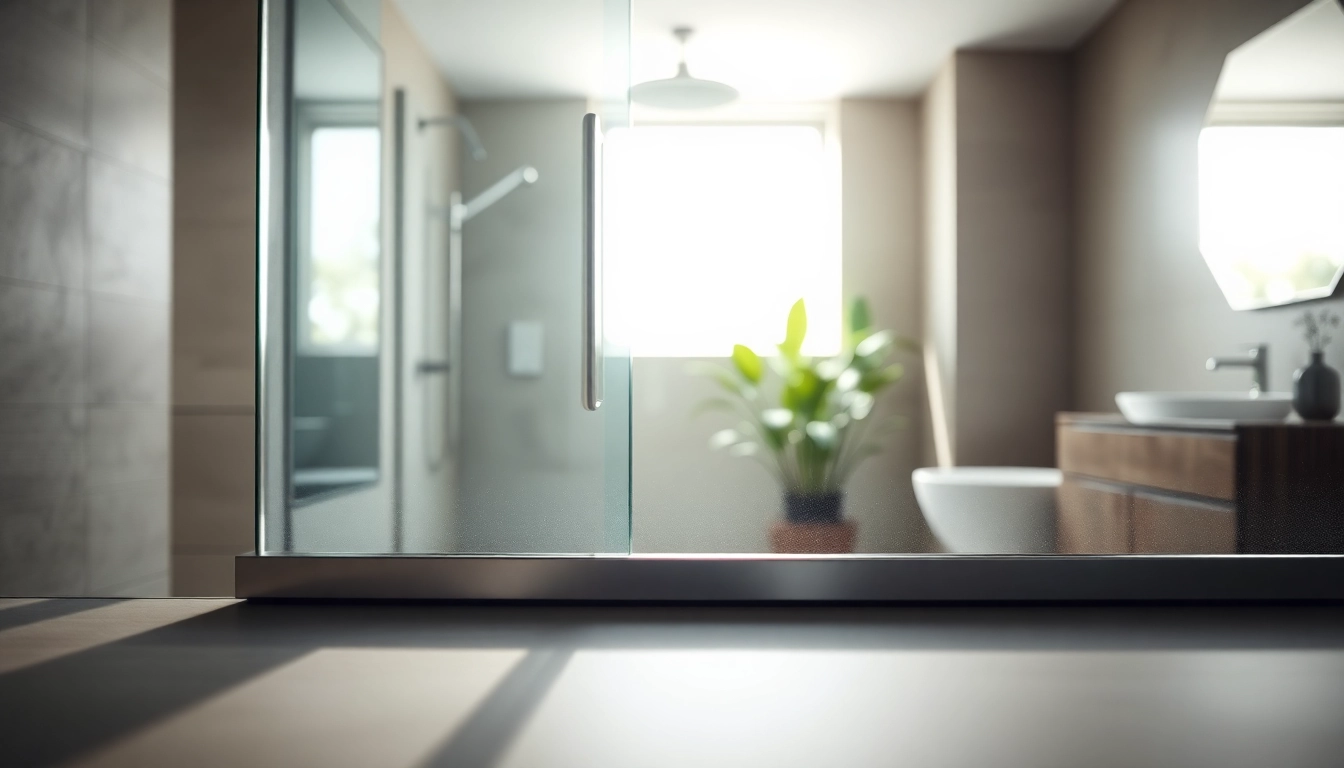
1. Introduction to Shower Screen Door
The shower screen door has become an essential feature in modern bathrooms, merging functionality with aesthetic appeal. As an effective barrier that keeps water contained within the shower area while adding a sleek touch to the decor, a shower screen door is the cornerstone of any stylish, contemporary bathroom layout. This article delves into the numerous benefits, designs, features, installation process, and maintenance for these vital bathroom components, guiding you to make an informed decision for your space.
1.1 What is a Shower Screen Door?
A shower screen door is a specialized enclosure designed to separate the shower area from the rest of the bathroom. Unlike traditional shower curtains, which can be cumbersome and trap moisture, shower screen doors are typically made from durable glass or acrylic materials that provide a clearer view and contribute to an uncluttered bathroom environment. These doors can be framed, semi-framed, or frameless, offering a variety of options that suit different bathroom styles and personal preferences.
1.2 Benefits of Choosing a Shower Screen Door
One of the major advantages of a shower screen door is the improved aesthetics it offers. They enhance the overall design of bathrooms with their clean lines and modern appearance. Additionally, they are easier to clean compared to traditional curtains, as most are made from glass that resists mildew and staining. The glass also allows natural light to filter through, creating a sense of space and openness, which is particularly beneficial in smaller bathrooms. Furthermore, shower screen doors provide better water containment, preventing leaks and minimizing the risk of water damage to the bathroom floor.
1.3 Common Designs and Styles Available
Shower screen doors come in a variety of styles to match any décor. Popular designs include:
- Frameless Doors: These are sleek and contemporary, offering a minimalist look while allowing unobstructed views.
- Bi-fold Doors: Ideal for smaller bathrooms, these doors fold back on themselves to maximize space.
- Sliding Doors: This style is perfect for tight spaces, allowing for smooth operation without requiring extra floor space.
- Hinged Doors: Traditional swinging doors that add elegance, suitable for larger shower spaces.
2. Key Features of a Shower Screen Door
2.1 Material Options and Their Pros and Cons
Choosing the right material for your shower screen door is critical for both performance and aesthetics. The most common materials include:
- Tempered Glass: Known for its strength and safety, this glass is resistant to thermal stress. However, it can be heavier and more challenging to install.
- Acrylic: A lightweight and affordable alternative to glass that is less fragile, but may scratch more easily and might not have the same aesthetic appeal.
- Vinyl: Often used in lower-cost models, vinyl doors can warp over time but are easy to clean and maintain.
2.2 Size and Configuration Considerations
When selecting a shower screen door, size is paramount. It’s essential to measure the shower space and consider the type of installation. Size options typically range from standard dimensions to customized sizes for unique shower configurations. Think about whether you need a double door setup for wider openings or a single for compact spaces. Remember to account for the door’s swing or slide space, so you don’t compromise usability.
2.3 Hardware Options for Shower Screen Doors
Hardware options play a vital role in both the functionality and look of your shower screen door. Key components include:
- Handles: Choose from sleek, minimalistic styles to more ornate options, depending on your overall bathroom design.
- Hinges and Tracks: For sliding doors, ensure high-quality tracks for smooth operation; for hinged doors, robust hinges that can withstand daily use are crucial.
- Seal Strips: These are essential to prevent leaks and can be found in various materials such as rubber or silicone for effective sealing.
3. Installation Guidelines for Shower Screen Doors
3.1 DIY vs. Professional Installation
When it comes to installing a shower screen door, homeowners face the choice of DIY installation versus hiring a professional. DIY can save costs, provided you are handy with tools and follow instructions correctly. However, if you’re unsure or if the installation involves complex plumbing, it may be wiser to hire a professional. They can ensure proper fitting, minimize risks of leaks, and provide a warranty for their work.
3.2 Step-by-Step Installation Process
If you opt for DIY installation, follow these general steps:
- Measure the Space: Accurately measure the dimensions of your shower area.
- Gather Tools: You’ll need a level, drill, screws, sealant, and the necessary fittings.
- Install the Framework: Secure the framework to the wall and floor, ensuring it’s properly aligned.
- Attach the Door: If it’s a sliding door, install the tracks; for hinged doors, attach the hinges.
- Seal the Edges: Apply sealant around the edges to prevent leaks.
- Final Checks: Test the door for proper operation and inspect for any gaps.
3.3 Common Mistakes to Avoid During Installation
Even seasoned DIYers can make errors during installation; here are common pitfalls to avoid:
- Improper Measurements: Double-checking dimensions can save time and resources.
- Ignoring Leveling: If not installed level, doors may not operate correctly.
- Insufficient Sealing: Failing to adequately seal edges can lead to future leaks and water damage.
4. Maintenance Tips for Your Shower Screen Door
4.1 Cleaning Techniques for Sparkling Glass
To maintain the pristine appearance of your shower screen door, regular cleaning is crucial. Use a gentle glass cleaner or a mixture of equal parts vinegar and water. Apply it using a soft cloth or sponge, taking care to avoid abrasive materials that can scratch the surface. Wipe down the glass after each use to prevent soap scum buildup and water spots.
4.2 Preventing and Addressing Damage
Regular checks for chips or cracks in the glass are essential to prevent accidents. If you notice scratches, minor ones can often be polished out with specialized glass cleaner. For more significant damage, consult a professional for repair or replacement advice to ensure safety.
4.3 Regular Maintenance Checklist
Establishing a maintenance schedule will prolong the life of your shower screen door. Here’s a simple checklist:
- Daily: Wipe down the glass and fittings after each use.
- Weekly: Perform a deep clean with suitable cleaning solutions.
- Monthly: Inspect seals and hinges for wear and tear.
- Annually: Consider professional cleaning or servicing to maintain functionality.
5. Frequently Asked Questions about Shower Screen Door
5.1 How do I choose the right shower screen door?
Consider your bathroom’s size, style, and the materials available. Factor in functionality—like whether you prefer sliding or hinged doors—while also aligning with your aesthetic preferences.
5.2 Are shower screen doors safe for children?
Yes, most shower screen doors are designed with safety in mind. Consider tempered glass and ensure that the edges are not sharp. Be cautious and supervise young children in the bathroom.
5.3 What is the average cost of a shower screen door?
The cost varies depending on the material, size, and design. On average, prices can range widely, from affordable acrylic options to premium glass designs that require more investment.
5.4 Can I install a shower screen door myself?
You can, provided you’re comfortable with DIY projects. Ensure to follow detailed instructions and take precise measurements; otherwise, consider hiring a professional to avoid mistakes.
5.5 How often should I clean my shower screen door?
Ideally, wipe down the door after every use to prevent soap scum buildup. A thorough cleaning with appropriate products should be done at least once a week for the best results.